
Fujimoto’s “Look Back” one-shot achieved a million-seller status on July 15, 2026. This is a remarkable achievement for Fujimoto, as it is the first time one of his one-volume works has attained such success since “Goodbye, Eri.” This milestone also arrived exactly one year after Fujimoto posted a video online showing himself attempting to levitate. That video symbolizes his evolving creativity and rising prominence within the manga community. Fujimoto released “Look Back” in July 2021 during the period separating the two parts of his highly successful manga series, “Chainsaw Man.” Unlike much of his previous work, “Look Back” is a poignant dramatic narrative centered around two young artists dealing with loss and the complexities of their friendship. Critics and readers alike have lauded “Look Back” for both its artistic merit and commercial viability, demonstrating Fujimoto’s versatility as a writer and his ability to establish personal connections with his readership through realistic narratives. Following the release of “Look Back,” Fujimoto released another one-shot entitled “Goodbye, Eri.” Both “Goodbye, Eri” and “Look Back” were commercially successful.
Furthermore, “Goodbye, Eri” exceeded one million sales in the Chinese market. The global success of these two titles demonstrates Fujimoto’s international appeal and the universal relevance of his themes. Fujimoto is recognized for his innovative approach to writing and his experimental use of narrative structures. He is known to challenge his audience to consider complex philosophical questions regarding the nature of reality and morality. Currently, Fujimoto is working with renowned filmmaker Hirokazu Kore-eda on a live-action adaptation of “Look Back.” Kore-eda is widely regarded for his exceptional ability to portray profound emotion and the intricacies of human relationships. Kore-eda intends to retain Fujimoto’s unique perspective and creative vision while translating the story into a medium that reflects the original tone and spirit of “Look Back.” The opportunity provided by the adaptation will allow Fujimoto’s stories to reach a wider audience outside of the manga community.
The film will introduce uninitiated viewers to Fujimoto’s innovative approaches to storytelling and intellectual themes. The anticipation surrounding the film is evident, as both established fans and newcomers are curious to see how Kore-eda captures the emotional intensity and character development present in Fujimoto’s writing. A successful film adaptation of “Look Back” could potentially expand Fujimoto’s reach beyond the pages of manga. In recent years, filmmakers have become increasingly interested in adapting manga into live-action films. When successful adaptations occur they tend to generate renewed interest in the source material.
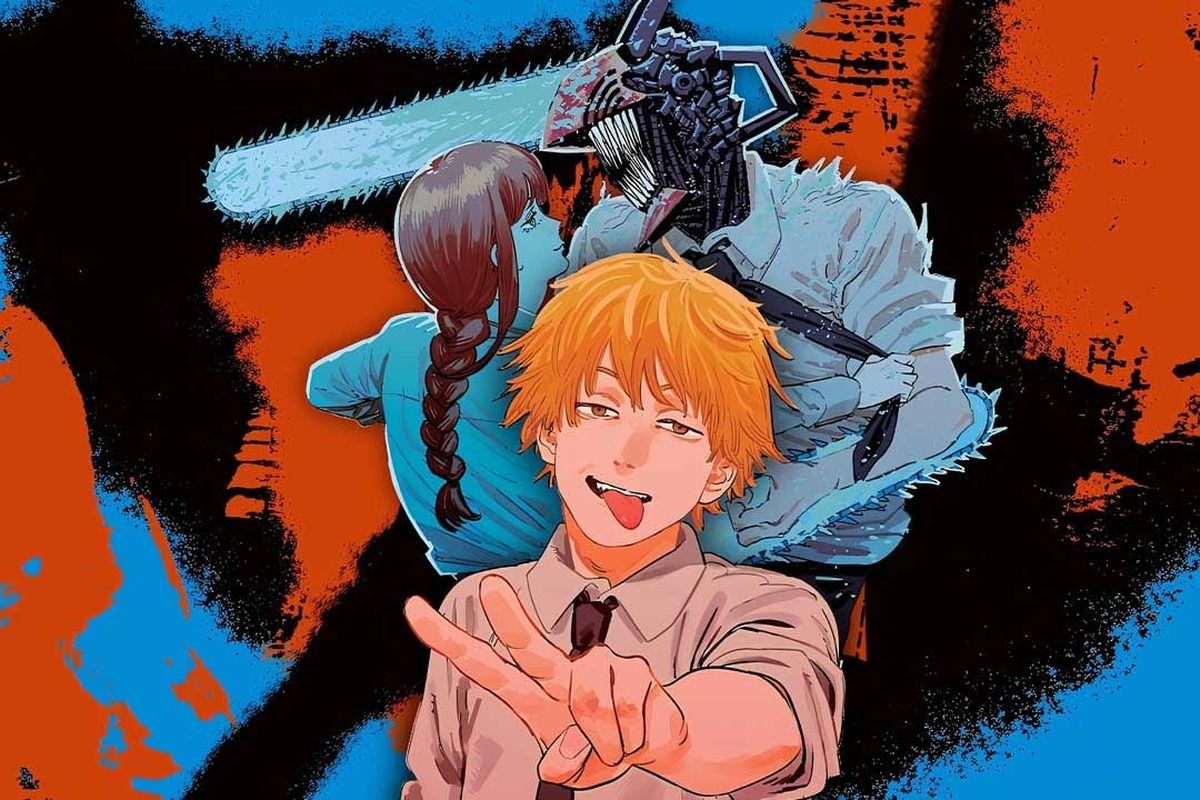
Therefore, if the film adaptation of “Look Back” proves to be successful then it will likely increase Fujimoto’s visibility and influence. Several examples exist of Fujimoto’s successful adaptations. Perhaps the most notable example is “Chainsaw Man.” Fujimoto’s creations share common characteristics including a bold style that frequently challenges traditional societal norms and expectations. His narratives explore existentialist thoughts, the human condition and the complexities of social relationships; however, he often combines elements of horror and comedy.
Fujimoto’s willingness to address difficult topics has established a devoted fan base and solidified his position as one of today’s leading manga artists. Fujimoto continues to push the boundaries of what is possible within the medium by creating compelling stories that engage audiences and inspire emerging artists to experiment with unconventional forms of storytelling. By combining different genres and exploring controversial issues, Fujimoto has established new standards for the industry.
His commitment to experimental creativity and philosophical investigation has encouraged other artists to emulate him. The ongoing development of the film adaptation of “Look Back” is evidence of Fujimoto’s visionary thinking and the potential for manga to evolve into multiple formats. The collaboration between a talented director and an innovative writer will create a cinematic work that respects the source material while encouraging dialogue among global audiences.